
Magnesium Bisglycinate: What It Is and Why It's Superior
You've been told to take magnesium, but when you get to the pharmacy you find yourself with a mess of names: oxide, citrate, chloride, bisglycinate... And the clerk doesn't know how to explain the difference either. You only know that you need magnesium to sleep better, reduce cramps or improve your mood, but you have no idea which one to choose.
It's normal to be confused. Not all magnesium supplements are the same, and the difference isn't just price. The type of magnesium you choose will determine whether you're really going to notice the benefits you're looking for or whether you're going to waste money buying something your body can barely use.
In summary: Magnesium bisglycinate is magnesium bound to two molecules of the amino acid glycine. This combination allows intestinal absorption of over 90%, well above other forms like magnesium oxide that barely reaches 10-20%.
The cause and the solution: Most forms of magnesium are poorly absorbed because they compete with other minerals or irritate the intestine. Bisglycinate avoids this competition by using specific amino acid transporters, guaranteeing optimal absorption without digestive discomfort.
The usual solution: what science says
Magnesium is the fourth most abundant mineral in the human body and participates in more than 300 enzymatic reactions. It's fundamental for cellular energy production, protein synthesis, nervous system function and cardiovascular health. Rosanoff et al., 2016 demonstrate that magnesium deficiency is related to multiple pathologies, from type 2 diabetes to sleep disorders.
Traditionally, the most common magnesium supplements have been magnesium oxide and magnesium chloride. These inorganic forms are cheap to produce and offer a high concentration of elemental magnesium per dose. However, their bioavailability is limited due to various physiological factors.
The problem lies in how our intestine processes these compounds. Inorganic forms of magnesium dissociate rapidly in the stomach, releasing magnesium ions that must compete with other minerals for the same intestinal transporters. This competition significantly reduces absorption and can cause unpleasant digestive side effects.
The problem with oxide and other traditional forms
Magnesium oxide, the most sold form in pharmacies, has a bioavailability of barely 10-20%. This means that of the 400mg that appears on the label, your body only uses between 40-80mg. The rest stays in the intestine, where it acts as an osmotic laxative, attracting water and causing diarrhea.
Magnesium citrate slightly improves absorption (30-40%), but still causes digestive discomfort in many people. Magnesium chloride has better bioavailability, but its bitter taste and irritant potential make it impractical for daily long-term use.
These limitations are not theoretical. Walker et al., 2003 compared different forms of magnesium and confirmed that forms chelated with amino acids consistently outperform inorganic forms in both absorption and tolerability.
What really works
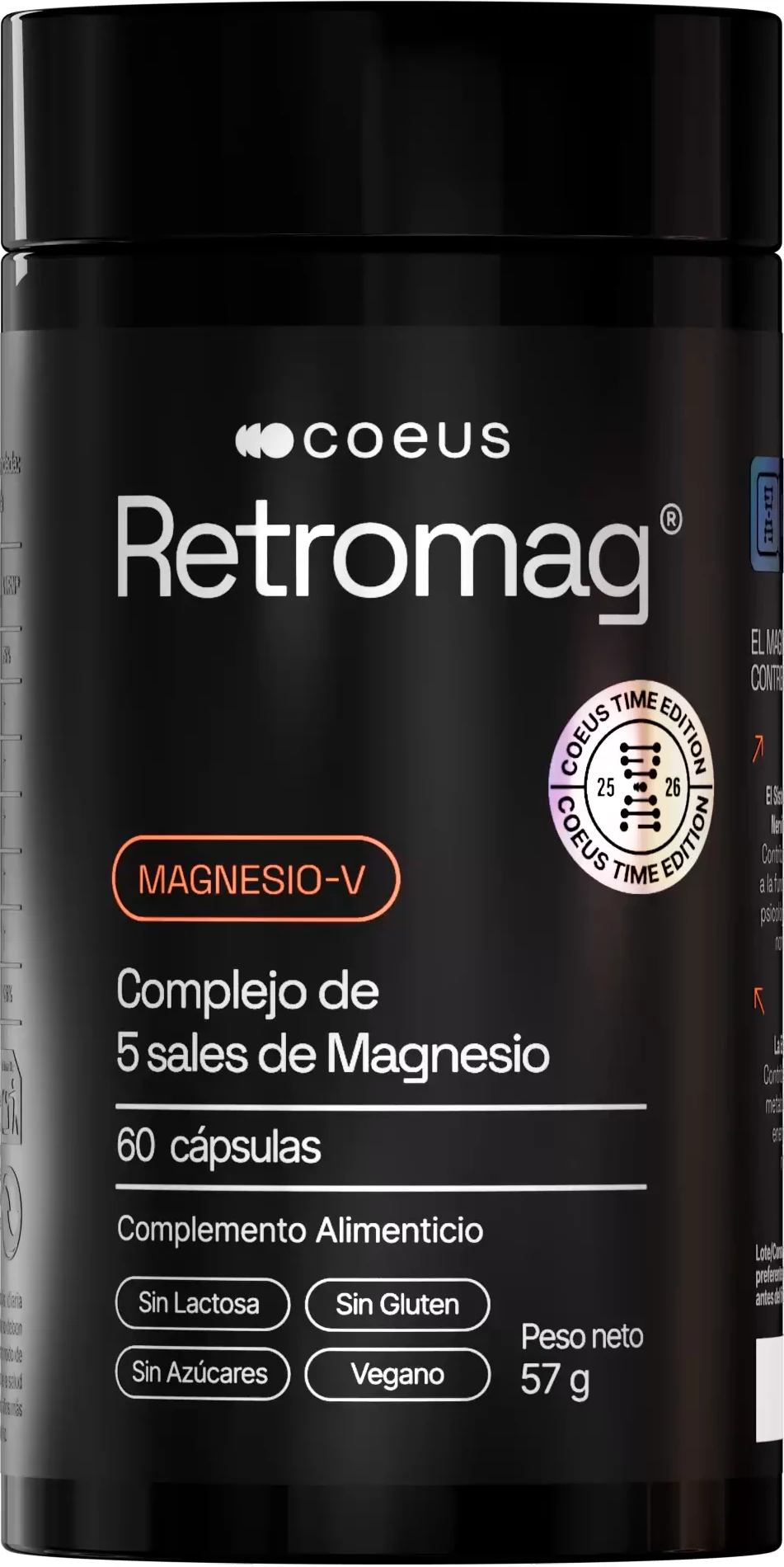
Magnesium bisglycinate represents a qualitative leap in magnesium supplementation. In this form, each magnesium atom is chemically bound to two glycine molecules, the simplest amino acid. This bond creates a stable chelate that protects the magnesium during its passage through the digestive system.
The key lies in the absorption mechanism. While inorganic forms depend on saturable mineral transporters, bisglycinate uses the amino acid transporters of the small intestine. These transporters are more efficient and less prone to saturation, allowing absorption of over 90%.
Additionally, glycine provides additional benefits. It's an inhibitory neurotransmitter that promotes relaxation and improves sleep quality, perfectly complementing magnesium's effects on the nervous system. This synergy makes magnesium bisglycinate especially effective for problems related to stress, anxiety and sleep disorders.
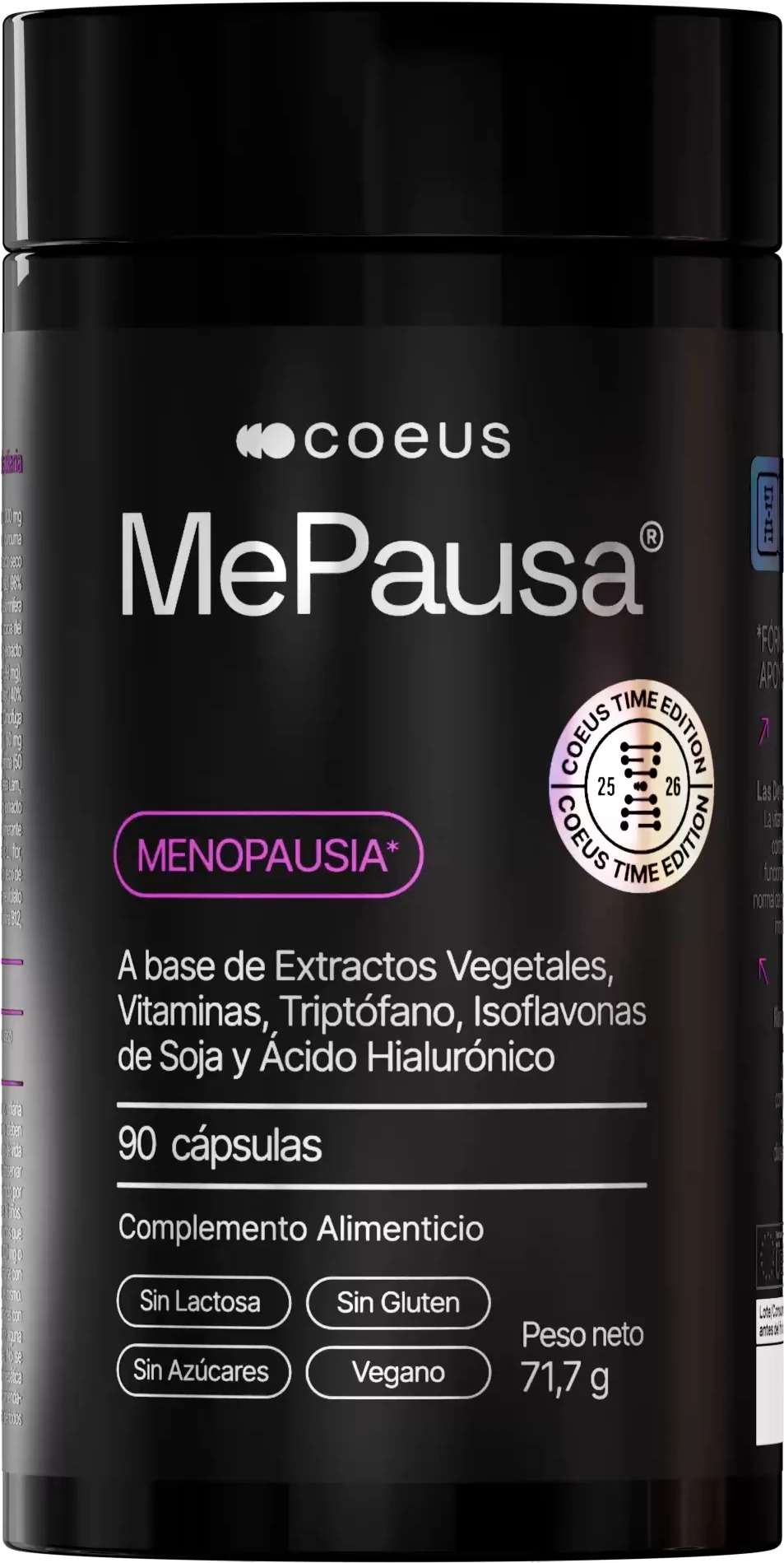
In MePausa® we use magnesium bisglycinate precisely because of this superior bioavailability. Combined with ashwagandha KSM-66®, L-tryptophan and 13 other precision ingredients, magnesium bisglycinate helps manage hormonal changes, improves sleep quality and reduces muscle tension that often accompanies menopause. It's not just about providing magnesium, but ensuring your body can use it optimally when you need it most.
Discover MePausa® with magnesium bisglycinate →
Scientific references
- Rosanoff A, Weaver CM, Rude RK. Suboptimal magnesium status in the United States: are the health consequences underestimated? Nutr Rev. 2012;70(3):153-64.
- Walker AF, Marakis G, Christie S, Byng M. Mg citrate found more bioavailable than other Mg preparations in a randomised, double-blind study. Magnes Res. 2003;16(3):183-91.
Time is yours.
Time is yours. Take it.
There is no perfect moment to start, only the decision to do it. Start the change today towards a life with more years... and years with more life.
Start your change now