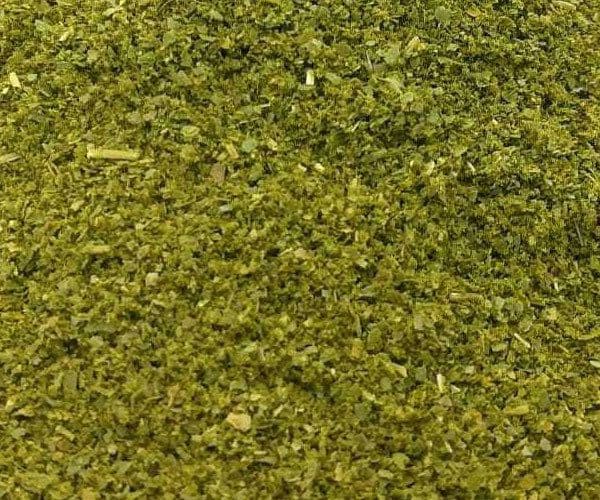
Moringa: real benefits beyond supplement marketing
You've probably heard about moringa as the new "miracle tree." On Instagram they call it a superfood, at the herbalist they assure you it cures everything, and your neighbor swears it changed her life. But when you look for serious information, you find a sea of marketing and few clear answers.
The reality is that moringa (Moringa oleifera) does have interesting properties backed by science. But it's also true that many of the claims circulating about it are inflated. If you're considering including it in your routine, you deserve to know what really works and when it makes sense to use it.
Let's separate facts from advertising noise.
The usual solution: what science says
Moringa is objectively rich in nutrients. The leaves contain complete proteins (with all essential amino acids), vitamin C, iron, calcium and potassium in concentrations higher than many common vegetables. They also provide bioactive compounds like isothiocyanates, flavonoids and phenolic acids that give it antioxidant and anti-inflammatory properties.
Studies show that moringa can help regulate blood glucose levels. Kushwaha et al., 2014 found that moringa leaf extract reduced postprandial glucose in people with type 2 diabetes. The mechanism appears to be related to isothiocyanates, which inhibit the alpha-amylase enzyme and slow carbohydrate digestion.
There's also evidence of its anti-inflammatory effects. The quercetin and chlorogenic acid present in moringa can reduce inflammatory markers like C-reactive protein and pro-inflammatory cytokines. This explains why some people notice less joint stiffness or better muscle recovery when taking it regularly.
The problem with taking isolated moringa
The first problem is bioavailability. Many of moringa's nutrients are better absorbed in the presence of other compounds that aren't always present in commercial powders or capsules. The iron from the leaves, for example, is much better utilized when combined with vitamin C, but many moringa supplements lose part of this vitamin C during processing.
The second problem is dosage. Most studies demonstrating benefits use amounts of moringa extract equivalent to 10-20 grams of dried leaf per day. But commercial supplements usually contain between 500-1000 mg per capsule. To reach an effective dose, you'd need to take 10-20 capsules daily, which is impractical and expensive.
Additionally, moringa alone doesn't comprehensively address specific health problems. If you're looking to reduce inflammation, regulate sugar or improve your energy, you need a more complete approach that combines several compounds working in synergy.
What really works
Moringa is more effective when it's part of a formula designed for a specific objective. Instead of taking it isolated hoping for general benefits, it works better when strategically combined with other ingredients that enhance its effects.
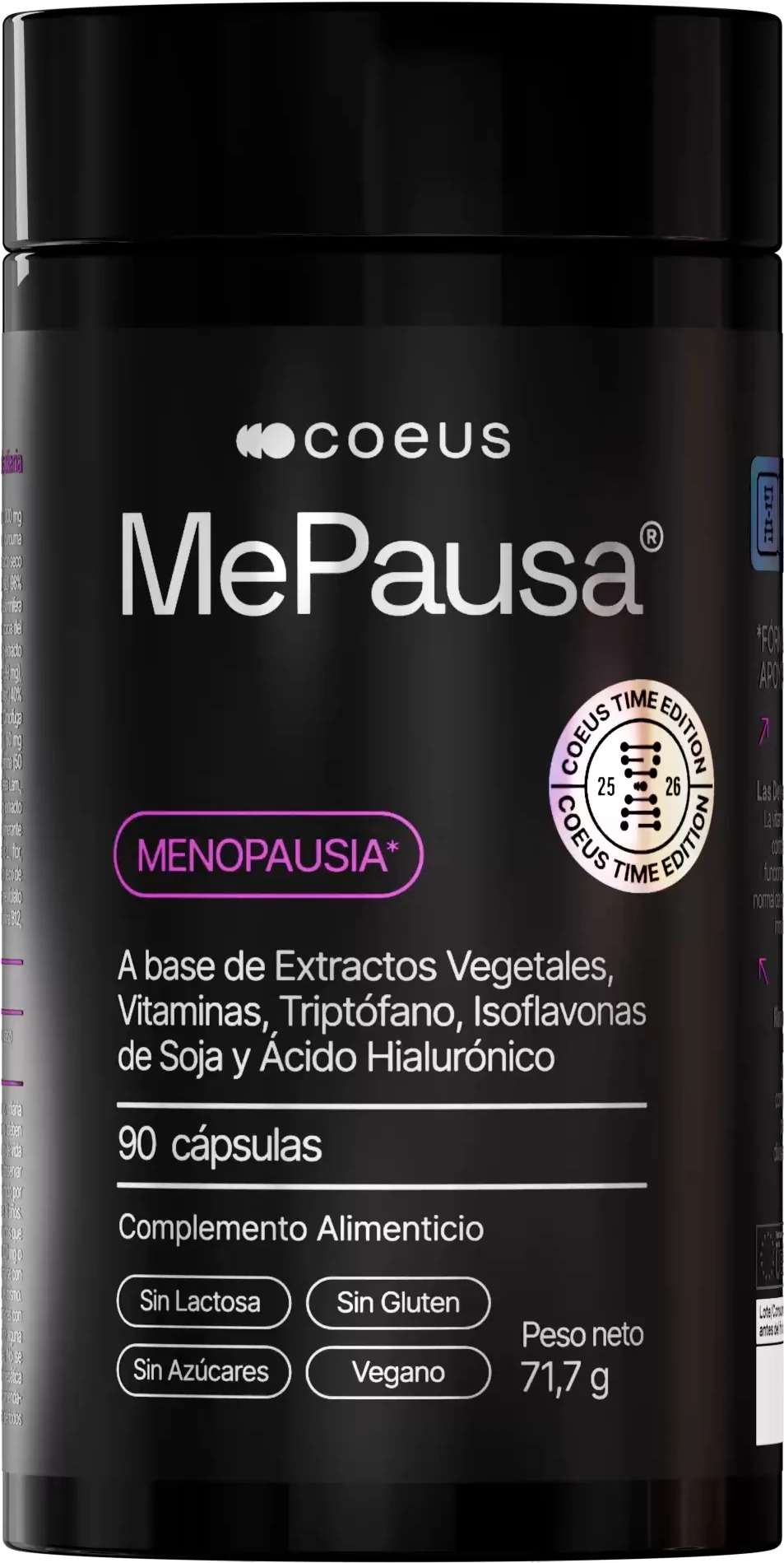
An example of this is MePausa®, where moringa oleifera works together with 15 other ingredients to address specific symptoms of menopause and perimenopause. In this formula, moringa contributes its antioxidant capacity and B-vitamin content, which perfectly complements:
- Soy isoflavones and black cohosh to modulate estrogenic activity and reduce hot flashes
- 95% curcumin that enhances moringa's anti-inflammatory effect
- Ashwagandha KSM-66® that works in synergy with moringa's adaptogenic compounds
- Hyaluronic acid and resveratrol for hydration and cellular protection
This combination allows each ingredient, including moringa, to function at its maximum potential. The benefits are specific and measurable: reduction of hot flashes from the first week, better sleep and mood in 3-4 weeks, and consolidated anti-inflammatory effects at one month.
Discover how MePausa® uses moringa intelligently →
When moringa makes sense
Moringa can be useful in specific situations, especially when you experience:
Low-grade chronic inflammation: If you have morning stiffness, mild joint discomfort, or that "oxidized" feeling that comes with prolonged stress, moringa's antioxidants can help. But it will work better combined with other anti-inflammatories like curcumin or resveratrol.
Hormonal changes: During perimenopause and menopause, oxidative stress increases considerably. Al-Asmari et al., 2015 demonstrated that moringa can reduce this oxidative stress and support mitochondrial function, which translates to more energy and better recovery.
Mild nutritional deficiencies: If your diet is limited or you're going through a period of higher nutritional demand, moringa can provide high-quality nutrients. But remember it doesn't substitute for a balanced diet.
The important thing is to understand that moringa isn't an independent magic solution. It's a valuable tool when used correctly, in the right dose, and combined with other ingredients that amplify its benefits.
If you're considering moringa for specific symptoms related to hormonal changes, inflammation or energy loss, a comprehensive formula like MePausa® will give you much more consistent results than isolated moringa.
Scientific references
- Kushwaha S, Chawla P, Kochhar A. Effect of supplementation of drumstick (Moringa oleifera) and amaranth (Amaranthus tricolor) leaves powder on antioxidant profile and oxidative status among postmenopausal women. J Food Sci Technol. 2014;51(11):3464-3469.
- Al-Asmari AK, Albalawi SM, Athar MT, Khan AQ, Al-Shahrani H, Islam M. Moringa oleifera as an Anti-Cancer Agent against Breast and Colorectal Cancer Cell Lines. PLoS One. 2015;10(8):e0135814.
Time is yours.
Time is yours. Take it.
There is no perfect moment to start, only the decision to do it. Start the change today towards a life with more years... and years with more life.
Start your change now